Dough Mixers

Commercial Dough Mixers for Australian Bakeries

A commercial dough mixer is the heart of any bakery or pizzeria. Choose the right one and every batch comes out consistent, well-developed and at the right temperature; choose the wrong one and you’ll fight your dough every shift. ABP Atlas has been supplying commercial dough mixers to Australian bakers, pizzerias and patisseries since 1980 — from compact single-phase planetaries to 280 kg industrial spiral mixers. Our range covers every mixer style you’ll need for commercial dough work:
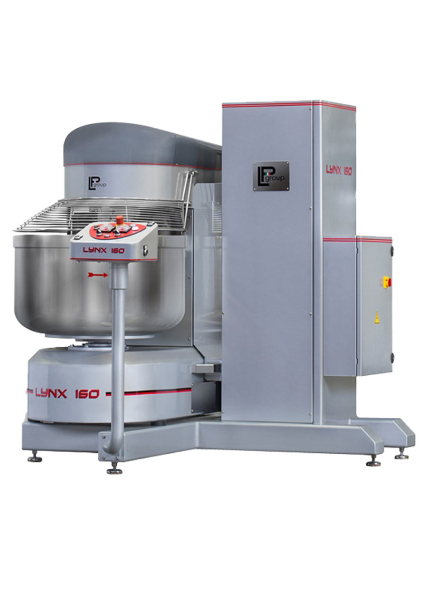
  • Spiral dough mixers from Atlas, IGF, LP and Starline — the preferred mixer for bread and pizza dough, from 25 kg bench units up to 280 kg industrial machines.
  • Planetary mixers from Bull and Atlas — the versatile all-rounder for cakes, pastries, creams and lighter doughs, in 10 L to 160 L capacities.
  • Fork and double-arm mixers from Steno and Domino — specialist mixers for artisan bread, where dough temperature control matters most.
Who we supply. Independent bakeries, hot bread shops, wholesale operations, pizzerias, patisseries, and multi-site franchises across every Australian state. Whether you’re mixing 20 kg artisan sourdough batches or 500 kg wholesale white pan bread, there’s a dough mixer in our range built for the workload. How we work. Every dough mixer we supply is backed by nationwide installation, service and spare-parts support — not just delivered and forgotten. We’ll help you spec the right capacity, voltage and configuration for your production, your floor space and your power supply before you commit. Not sure which type of dough mixer you need? Scroll down for our guide to choosing a commercial dough mixer, or call us on 1300 122 100 for a no-obligation chat with someone who’s worked in the industry.
FILTERS
Type
Type
Primary Use
Primary Use
Sort Order

Why Our Customers Keep Coming Back?

For a Price or Advice please complete this form..

Professionals Guide to selecting a commercial dough mixer.

What you should consider to ensure you choose the right equipment for your needs:

  1. Capacity:

    • Determine the volume of dough you need to mix in a single batch. Mixers come in various sizes, so choose one that can handle your maximum batch size without overloading.
  2. Type of Dough Mixer:

    • Planetary Mixers: Versatile and suitable for a variety of dough types and other mixing tasks like whipping and creaming.
    • Spiral Mixers: Ideal for heavy doughs like bread and pizza dough, as they ensure even mixing without overworking the dough.
    • Horizontal Mixers: Suitable for very large-scale production and heavy doughs.
  3. Power and Speed:

    • Check the motor power and speed settings. Higher horsepower motors are better for dense doughs. Variable speed settings allow for more control over the mixing process.
  4. Bowl Lifting Mechanism:

    • Consider whether the mixer has a manual or automatic bowl lift. Automatic lifts can save time and reduce physical strain on operators.
  5. Durability and Construction:

    • Look for mixers made from high-quality, durable materials like stainless steel. This ensures longevity and resistance to corrosion and wear.
  6. Ease of Cleaning and Maintenance:

    • Mixers with removable bowls and attachments make cleaning easier. Consider models with fewer nooks and crannies where dough can get trapped.
  7. Safety Features:

    • Safety guards, emergency stop buttons, and overload protection are essential to ensure safe operation.
  8. Attachments and Accessories:

    • Check what attachments are available (e.g., dough hooks, beaters, whisks) and whether the mixer can accommodate additional accessories for versatility.
  9. Space and Installation Requirements:

    • Ensure the mixer fits in your kitchen space and can be easily installed. Consider the weight and whether your flooring can support it.
  10. Cost and Warranty:

    • Balance your budget with the features and capacity you need. Check the warranty and customer support options provided by the manufacturer.

The simple answer is, “a fork dough mixer will not heat up your dough in the mixing process”. A fork mixer has a free spinning bowl and a two pronged agitator that can run at both slow, and fast speed. It is gentle on dough as it mixes, but the mix times are longer when compared to a spiral mixer. But because of the gentle action on the dough, this will help you manage the dough temperature, and achieve your goal temperature. This will result in a higher quality dough that is not heated.

The double arm mixer was one of the first electric mixers. It mixes gently and slowly, which essentially copies the motion of hand mixing. Because the agitation is gentle, the resulting dough is very close in characteristics to that of dough produced by hand mixing. Not much time will be saved in production as it is a slow mix..

The planetary mixer is an all-purpose workhorse found in many bakeries. Planetary mixers are classified as cake mixers, and are not suitable for heavy dough development. Spiral, Fork, and Two arm mixers would be better suited if dough is all you need to make.

The spiral mixer is a single purpose mixer used only for bread and pizza dough development. The smaller spiral mixers, single phase, only have one speed. Most 3 phase spiral mixers have 2 speeds, slow and high speed. Spiral mixers are the preferred mixers of the bread bakers, and pizza makers of Europe. Many bakers see the spiral mixer as the choice that allows speed of production while maintaining control of oxidation and good treatment of the dough.

A commercial dough mixer is a machine used in bakeries, pizzerias and patisseries to knead and develop dough consistently and at volume. The main types are spiral, planetary, fork and double-arm — each with a different agitator design suited to different dough styles. Spiral mixers are the standard for bread and pizza, planetary mixers are the versatile all-rounder for cakes and pastries, and fork and double-arm mixers are specialist machines for gentle, cool mixing of artisan doughs.

Match the mixer to your product and your volume. If bread or pizza is your core product, start with a spiral mixer — they’re gentler on dough temperature and handle high-hydration doughs without bogging down. If you make a wide range of cakes, pastries and fillings alongside bread, a planetary mixer gives you more versatility per square metre. Then size by your busiest single-batch requirement (not your average), check your power supply (single-phase 240 V for small units, three-phase 415 V for most commercial spirals), and factor in build quality, bowl type and after-sales support. ABP Atlas has been supplying Australian bakeries for over 43 years — call us on 1300 122 100 for a no-obligation conversation about the right mixer for your operation.